
Mastering Academic Writing with AI: A Comprehensive Guide for Researchers 202
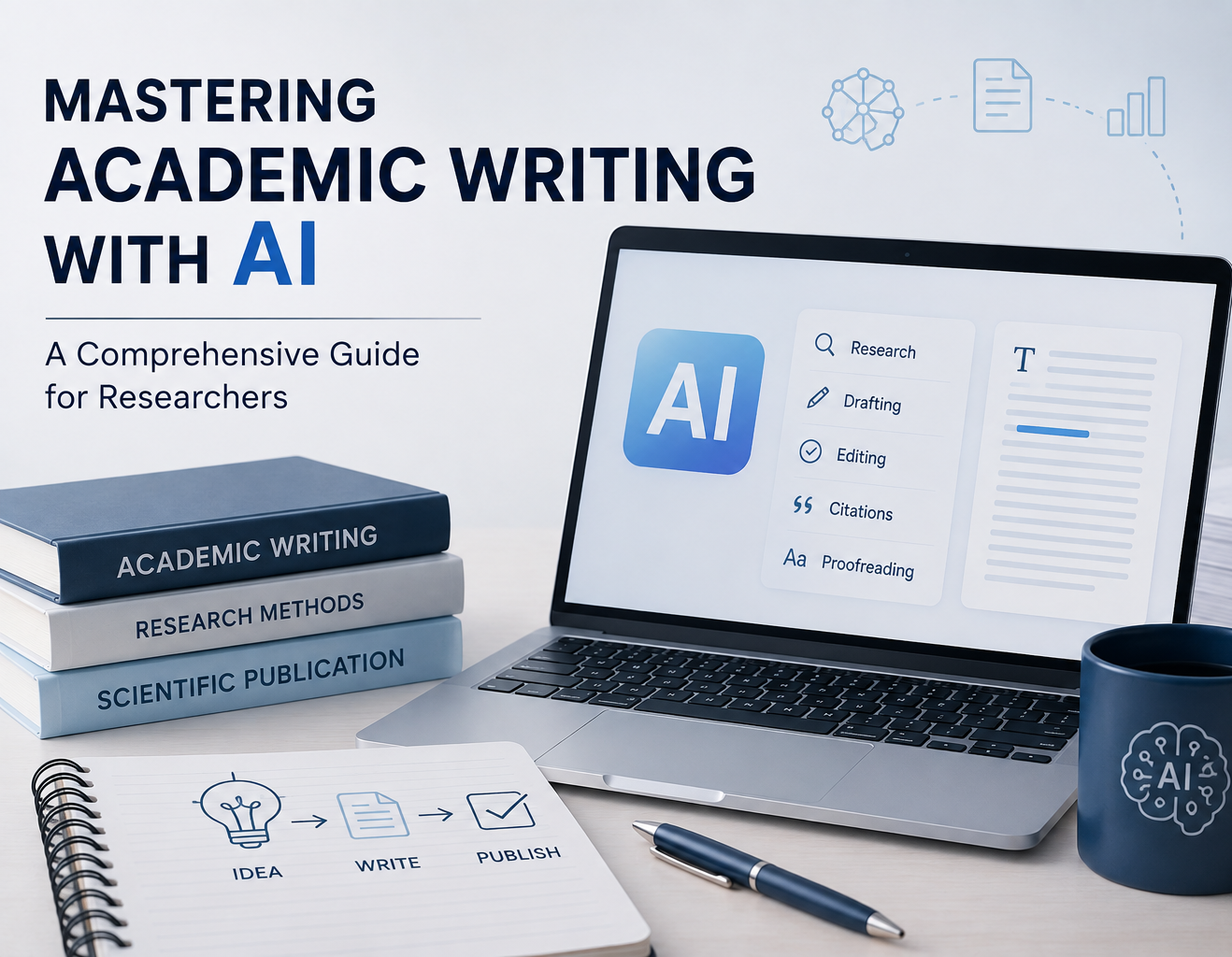
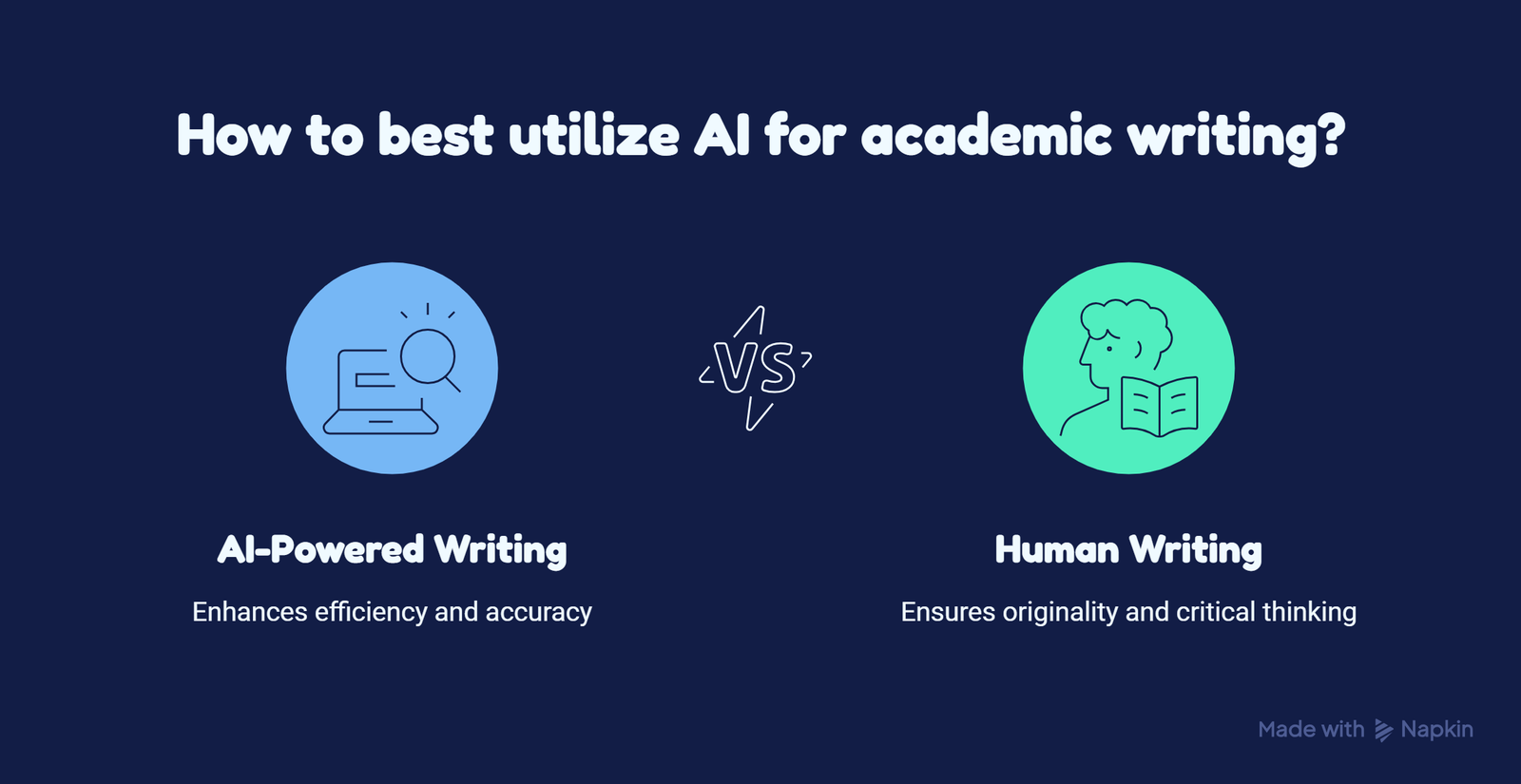
Navigating artificial intelligence in scholarly work requires a clear balance between efficiency and critical thinking. AI tools excel at organizing concepts, identifying background literature, and drafting initial Outlines, but the depth and analytical rigor must come from the researcher.
How AI Enhances Academic Writing: Tools and Software
Modern AI platforms streamline the initial stages of writing. Software designed for literature reviews can quickly analyze large datasets of papers, summarize key findings, and surface citation networks. Writing assistants help structure complex arguments, rephrase dense prose for readability, and check for grammatical consistency. By handling repetitive formatting and organization tasks, these tools free scholars to focus on higher-level analysis.
Ethical Considerations in Using AI for Academic Writing
Using AI responsibly requires transparency and strict adherence to institutional policies. Researchers must verify whether their target journals or academic institutions permit AI assistance. Key ethical responsibilities include ensuring data privacy when uploading unpublished work, preventing algorithmic bias from influencing results, and maintaining full accountability for every claim made in the manuscript.
Blending AI Tools with Traditional Research Methods
AI should complement, not replace, foundational research practices. The ideal workflow combines AI-driven text analysis and research discovery with manual citation checking, primary source evaluation, and hands-on laboratory or field work. Scholars should use AI to generate hypotheses or organize findings, then validate every insight against peer-reviewed literature.
Navigating AI in Academic Content Creation
Creating academic content with AI support demands active engagement from the author. Instead of relying on automated generation, writers should use prompt engineering techniques to query models for specific perspectives, counterarguments, or thematic summaries. Treating the AI as a conversational sparring partner keeps the author in full control of the narrative direction.
Future of Academic Writing: AI’s Promising Role
The future of scholarly publishing points toward greater integration of intelligent systems. Emerging technologies will offer sophisticated data visualization, real-time peer review analysis, and automated translation tools that make research accessible globally. As these tools evolve, the core definition of scholarly impact will increasingly focus on critical analysis and original methodology.https://quillbot.com/ai-writing-tools/ai-prompt-generator
Avoiding AI Detection in Essays and Academic Writing
As academic institutions deploy automated detection tools, understanding how to maintain human originality in your writing has become essential. The goal is not simply to pass software checks, but to ensure your unique voice and analytical reasoning remain front and center.
Techniques to Paraphrase AI-Generated Content
Automated text generators often output standardized phrase structures and repetitive syntax. To adapt this material effectively, rephrase statements using variable sentence lengths and active voice. Rearrange sentence orders, inject specialized domain vocabulary, and synthesize theoretical concepts in your own words rather than accepting the initial draft output.
Choosing Words to Circumvent AI Detection
AI models frequently rely on predictable word pairings, formal transition words, and overused modifiers. To keep your prose authentic, avoid generic filler phrases and replace abstract descriptions with precise academic terms. Express complex ideas directly rather than relying on high-level generalizations.
Best Practices for Humanizing AI-Generated Content
Humanizing content means infusing text with personal insights, specific contextual examples, and nuanced arguments. Incorporate direct citations to classic and contemporary research, address real-world edge cases, and integrate original primary data that an automated model cannot replicate.
Common Traits of AI-Generated Texts and How to Avoid Them
AI-generated prose often exhibits specific markers: overly uniform paragraph lengths, repetitive list structures, and a neutral, detached tone that lacks strong argumentation. Counteract these traits by varying your sentence structure, taking clear analytical stances, and ensuring smooth logical transitions between paragraphs.
Balancing AI Assistance with Authentic Writing
Achieving balance requires using AI for structural guidance while writing the final manuscript independently. Use software to brainstorm thesis statements, organize section headings, or format bibliography entries. Once the outline is established, draft the core narrative yourself to preserve your natural writing style.
Creating Effective FAQs for AI-Enhanced Topics
Frequently Asked Questions (FAQs) serve as crucial touchpoints for organizing complex information, improving search engine visibility, and addressing user queries directly.
Structuring FAQs for Clarity and SEO Performance
An impactful FAQ section uses clear, direct headings framed as explicit questions. Group related questions into logical subheadings and keep answers targeted, typically between 50 to 100 words per response. Incorporate relevant search terms naturally to optimize visibility without sacrificing clarity.
Common Questions on AI in Academic Writing
Academic audiences frequently ask about institutional guidelines, acceptable tool usage, citation standards, and plagiarism risks. Addressing these core topics directly builds trust and establishes clear boundaries for students and researchers exploring digital assistants.
Integrating AI Insights into FAQ Answers
AI analysis tools can process user feedback and site analytics to reveal where readers experience confusion. Incorporating these empirical insights into your answers ensures that your FAQ section addresses real user pain points rather than assumed questions.
Leveraging AI to Identify Common User Queries
Generative models and keyword discovery software can analyze search trends to highlight emerging questions in your domain. By monitoring these automated query patterns, content creators can update their informational resources with timely, high-intent topics.
Examples of Well-Crafted FAQs in AI Topics
Well-crafted FAQs feature direct, concise answers that immediately resolve the reader’s question. They incorporate bullet points for multi-step processes, provide direct links to institutional guidelines or primary sources, and maintain a clear, authoritative tone throughout.
Academic Writing and AI: Do’s and Don’ts for Researchers
To maintain rigor and credibility when using intelligent software, researchers should follow established best practices and avoid common pitfalls.
| Category | Do | Don’t |
|---|---|---|
| Tool Usage | Use AI for outlining, brainstorming, and editing sentence structure. | Do not rely on AI to generate primary arguments or draw empirical conclusions. |
| Authenticity | Inject personal analysis, original data, and unique scholarly voice. | Do not copy raw AI output directly into a research paper. |
| Limitations | Fact-check every statistic, historical reference, and citation manually. | Do not assume AI outputs are factually accurate or free of hallucinations. |
| Citing | Document and disclose AI assistance in accordance with journal guidelines. | Do not pass off AI-generated draft sections as original human composition. |
| Plagiarism | Cross-reference all generated ideas against primary literature. | Do not use AI to paraphrase existing studies without proper attribution. |
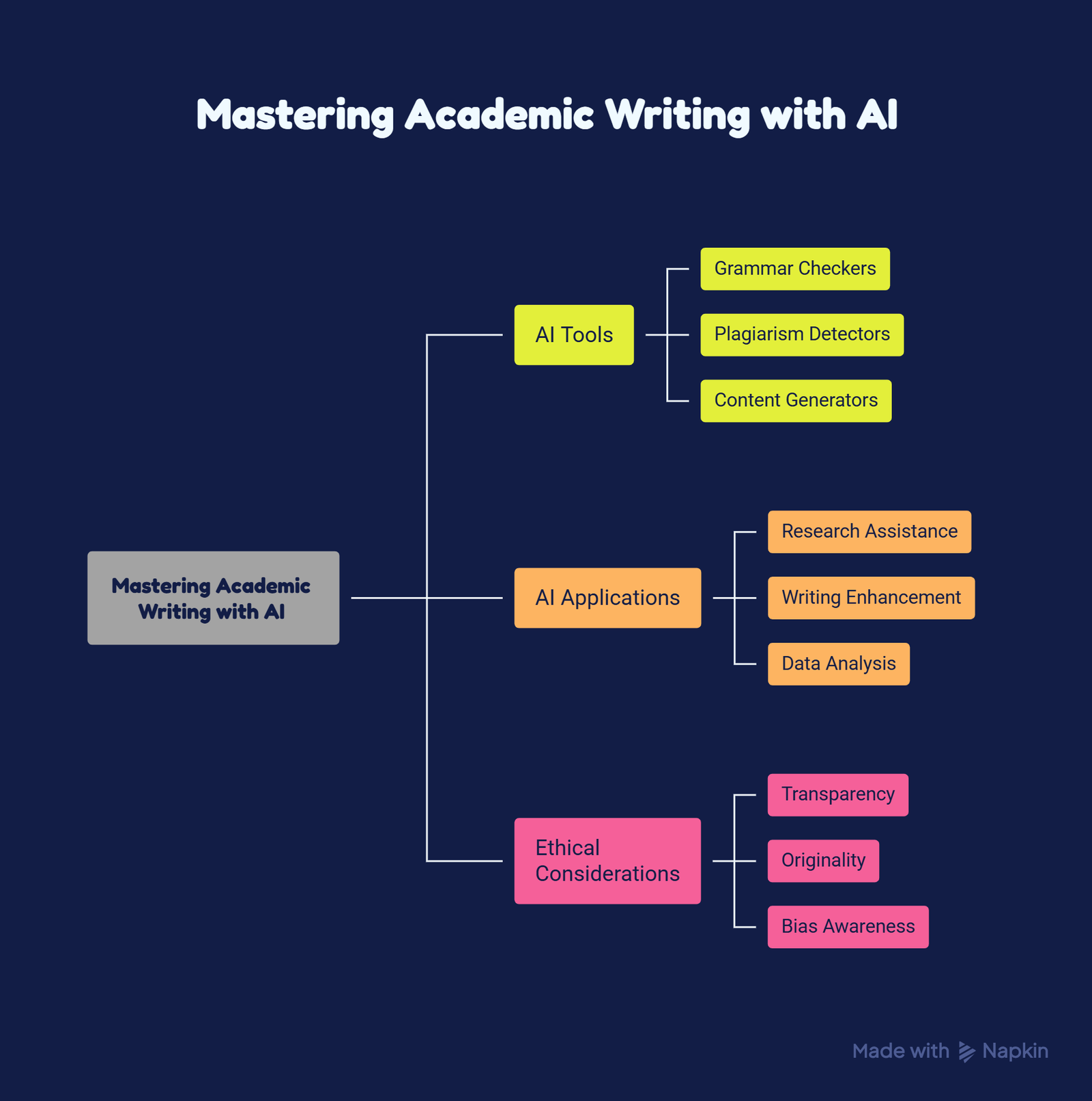
AI Tools for Researchers: Do’s and Don’ts
Do explore AI software for literature mapping, data visualization, and stylistic polish. Don’t use automated platforms to interpret complex datasets or generate conclusions without independent verification. Treat software as an administrative assistant, not the principal investigator.
Maintaining Authenticity in AI-Assisted Writing
Authenticity comes from original thought, critical evaluation, and expert synthesis. Ensure every claim reflects your academic perspective. Your paper should articulate why a specific finding matters within your discipline, a task that requires human intuition and domain expertise.
Understanding AI’s Limitations in Academic Contexts
Large language models operate on probability patterns, not genuine understanding. They frequently misinterpret context, synthesize false citations, and miss subtle historical or domain-specific nuances. Recognizing these limitations prevents reliance on flawed automated outputs.
Guidelines for Citing AI-Generated Content
When citing AI usage, consult style guides such as APA, MLA, or Chicago. Most frameworks require specifying the tool name, version number, prompt used, and date accessed, either in the methodology section, acknowledgments, or working footnotes. Always review the target publisher’s current policies,A site for citation is mentioned,https://scite.ai/.
Avoiding Plagiarism with AI: A Researcher’s Guide
Plagiarism extends beyond copying direct phrases; it includes adopting unique ideas or structural arguments without attribution. When using AI to summarize existing literature, trace the source material back to the primary authors and cite them directly. Run completed drafts through dedicated similarity checkers to verify original phrasing across the manuscript.