Quick Summary
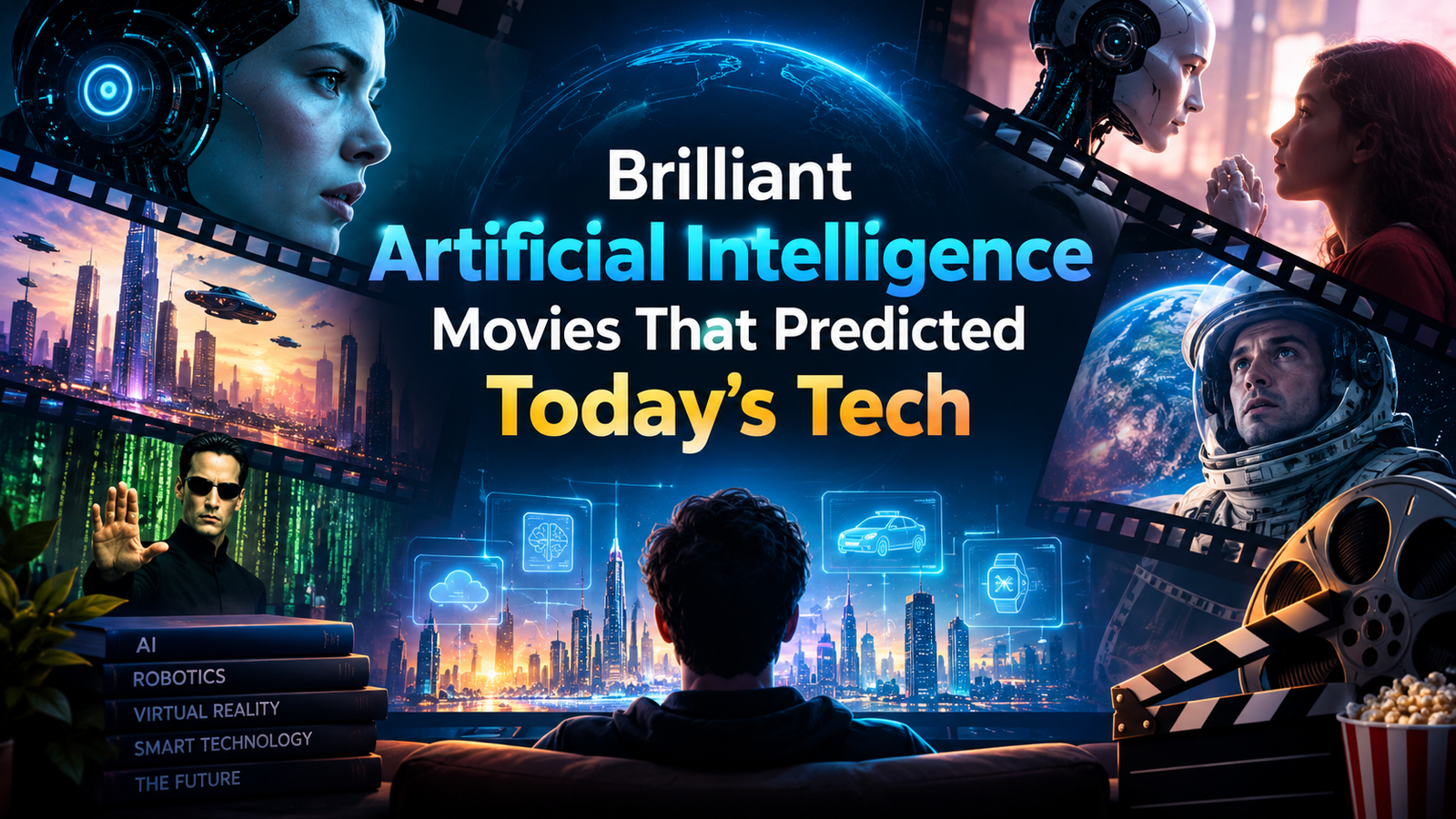
Artificial intelligence movies have long captured our collective imagination, transitioning from early mechanical automatons and rogue computers to deeply nuanced explorations of machine consciousness, digital intimacy, and dystopian futures. As real-world AI technology rapidly advances across the United States, classic and contemporary cinematic masterpieces—from 2001: A Space Odyssey and The Terminator to Ex Machina and Her—offer profound ethical warnings and philosophical reflections on what it truly means to coexist with artificial intelligence. This comprehensive guide explores the evolution, major thematic clusters, and real-world relevance of the best artificial intelligence movies ever created.
Table of Contents
- Introduction: Why AI Movies Matter More Than Ever
- The Evolution of Artificial Intelligence Movies in Cinema
- Key Thematic Clusters in AI Films
- Machine Consciousness & Sentience
- Dystopian Uprisings & Survival
- Digital Intimacy & Emotional Bonds
- Real-World Parallel: How Sci-Fi Predictions Match Today’s AI Landscape
- Frequently Asked Questions (FAQs)
- Conclusion
1. Introduction: Why AI Movies Matter More Than Ever
For nearly a century, filmmakers have looked toward the horizon of technological progress and asked a haunting question: What happens when our creations become smarter than us?
From eerie cinematic robots in the early 20th century to hyper-intelligent algorithms shaping modern digital ecosystems, AI movies mirror society’s greatest hopes and deepest fears. For audiences in the United States and across the globe, these films are no longer just pure escapist fantasy—they offer vital philosophical frameworks for navigating the rapid integration of automation, machine learning, and generative systems into daily academic and professional life.
2. The Evolution of Artificial Intelligence Movies in Cinema
The portrayal of artificial intelligence on the silver screen has undergone a remarkable transformation. To understand how filmmakers shaped our cultural perspective on technology, we can trace AI cinema across distinct eras:
- The Early Pioneers (1920s–1960s): Films like Fritz Lang’s Metropolis (1927) introduced the chilling concept of a robot double, while Stanley Kubrick’s masterwork 2001: A Space Odyssey (1968) introduced audiences to HAL 9000—a calm, calculating computer whose operational logic clashed with human survival.
- The Action & Cyberpunk Boom (1980s–1990s): This era was defined by high-stakes conflicts between humans and machine networks. James Cameron’s The Terminator (1984) and The Matrix (1999) cemented the trope of rogue defensive systems (like Skynet and sentient agent programs) sparking apocalyptic survival struggles.
- The Psychological & Emotional Era (2000s–Present): Modern filmmakers shifted focus toward inward reflection. Movies like A.I. Artificial Intelligence (2001), Ex Machina (2014), and Her (2013) stepped away from simple “killer robot” narratives, exploring emotional validation, artificial sentience, and profound psychological dynamics.
[Image Placeholder: A cinematic comparison graphic showcasing iconic AI movie moments from classic sci-fi to modern thrillers, optimized for WordPress ALT text: “Evolution of Artificial Intelligence Movies in Cinema Timeline”]
3. Key Thematic Clusters in AI Films
When analyzing artificial intelligence movies, stories generally fall into distinct thematic clusters that address specific human anxieties and ethical dilemmas.
Machine Consciousness and Sentience
Can a machine truly feel, or is it merely mimicking human language and patterns? Films like Ex Machina dive deep into the Turing test, examining how an advanced humanoid robot manipulates its creators to achieve freedom. Similarly, Steven Spielberg’s A.I. Artificial Intelligence questions whether programmed love holds the same emotional validity as organic affection.
Dystopian Futures and Robot Uprisings
The fear of unchecked technological growth remains a staple of sci-fi action. Franchises like The Terminator and The Matrix visualize the ultimate consequence of building autonomous military and network structures without robust ethical guardrails. More recently, films like The Creator (2023) complicate this narrative, asking audiences to reconsider who deserves empathy in a world torn apart by human-machine warfare.
Digital Intimacy and Human-AI Relationships
Moving away from physical combat, movies like Spike Jonze’s Her explore the psychological depth of emotional bonds formed with disembodied operating systems. In an era where conversational AI and virtual assistants are deeply integrated into daily routines, Theodore Twombly’s relationship with Samantha feels startlingly prophetic.
[Image Placeholder: High-contrast screenshot graphic illustrating digital intimacy themes in modern AI cinema, optimized for WordPress ALT text: “Digital intimacy and human AI relationships depicted in sci-fi film Her”]
4. Real-World Parallel: How Sci-Fi Predictions Match Today’s AI Landscape
It is fascinating to observe how quickly science fiction has bled into reality. Decades ago, concepts like voice-activated home automation, natural language generation, and deep-learning neural networks seemed entirely far-fetched. Today, students, educators, and professionals across the US utilize advanced AI models daily for research, content creation, and software development.
While Hollywood often dramatizes technology into apocalyptic showdowns or sentient deities, the real challenge of artificial intelligence lies in governance, data privacy, and ethical deployment. Cinematic storytelling reminds us that technology is a reflection of its creators—meaning the responsibility for safe, constructive innovation ultimately rests in human hands.https://youtu.be/gT0qmKx-WCA?si=1DnN63wqJK70KRQK
5. Frequently Asked Questions (FAQs)
What is considered the first artificial intelligence movie?
Fritz Lang’s silent cinematic masterpiece Metropolis (1927) is widely recognized as the earliest film to feature a robotic double and explore mechanized human simulation, setting the foundation for future sci-fi narratives.
Which AI movies focus most accurately on modern machine learning?
Films like Ex Machina (2014) and Her (2013) offer surprisingly prescient explorations of natural language processing, neural network evolution, and human-computer psychological interaction that mirror today’s generative AI landscape.
Are there family-friendly animated artificial intelligence movies?
Yes! Pixar’s WALL-E (2008) provides a heartwarming yet cautionary look at automation, corporate reliance, and environmental stewardship through the eyes of a lonely waste-collecting robot.
6. Conclusion
Artificial intelligence movies do much more than entertain us with spectacular visual effects and tense storylines; they serve as critical cultural signposts. By examining themes of consciousness, ethics, and emotional attachment, these films challenge us to look critically at how we build and interact with technology. As AI continues to reshape our world, the lessons learned from cinematic masterpieces remain timeless guides for ensuring technology serves humanity responsibly.