How to Market Through Podcasts and Audio Content
Have you ever noticed how the world seems to have gotten a little quieter lately? Maybe not in reality, but in terms of how we consume information. We are staring at screens all day, and frankly, our eyes are tired. This is exactly why audio content is exploding right now. Think about it: you can exercise, cook dinner, or commute to work all while learning something new or being entertained by your favorite personality. As a marketer, if you aren’t tapping into this, you are leaving a massive megaphone on the table.
Why Podcasts are Dominating Marketing Today
Podcasts offer something that blogs and social media posts struggle to provide: intimacy. When someone puts on their headphones, you are literally whispering into their ears. That level of closeness builds a trust factor that is incredibly hard to replicate with a static image on Instagram. It is like the difference between a mass billboard and a one on one coffee chat. People do not just listen to podcasts; they develop relationships with the hosts.
The Trust Factor in Audio
Audio conveys emotion, sarcasm, hesitation, and excitement in ways that text simply cannot. When you hear a founder talk about their struggle, you feel their pain. That emotional connection is the bedrock of modern branding.
Developing Your Audio Content Strategy
Before you rush out to buy a fancy microphone, you need a plan. Marketing through audio isn’t just about recording yourself talking. It is about understanding the “why.” Are you trying to establish thought leadership? Are you looking to generate leads? Or is this purely for brand awareness? Each goal requires a different structural approach.
Choosing the Right Format for Your Brand
Not every business needs an hour long interview show. Maybe a micro podcast is more your speed. Or perhaps a scripted narrative style series fits your brand personality better. You need to pick a format that matches your team’s capacity and your audience’s attention span.
The Interview Style
This is the bread and butter of the podcasting world. It gives you access to other people’s audiences and creates easy content. However, it can become repetitive if you are not careful with your questions.
The Solo Show
This is where you truly own the narrative. It is perfect for demonstrating your expertise, but it is high pressure. You have to be the content, the humor, and the insight all at once.
Production Quality: Does It Really Matter?
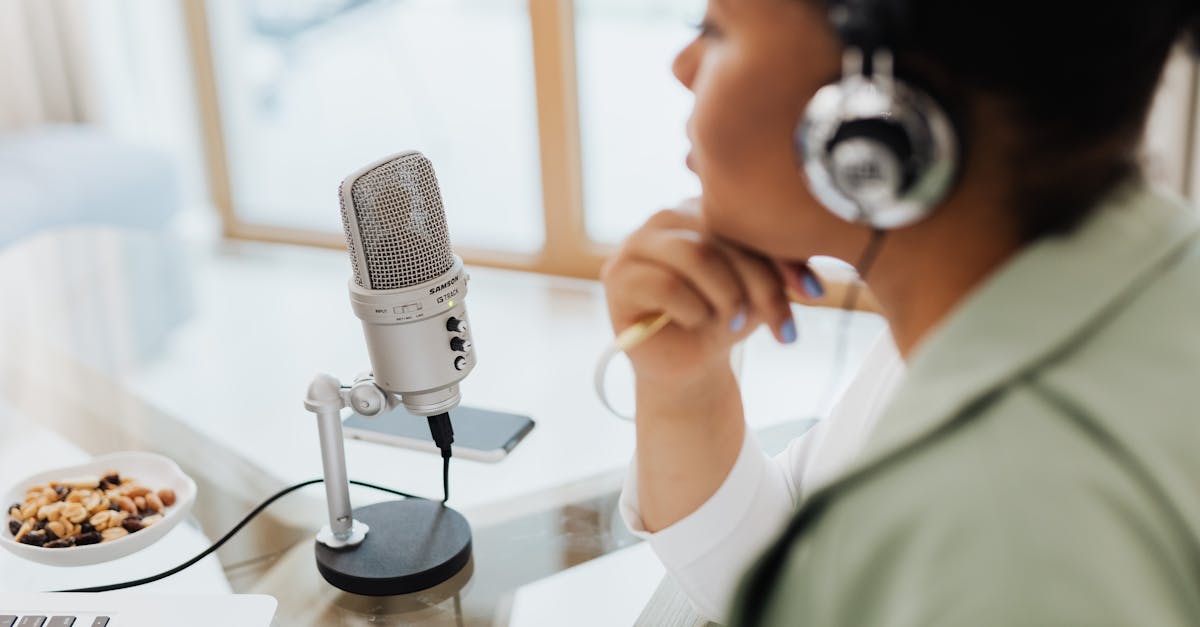
Let’s be real. If your audio sounds like it was recorded in a tin can, people will click away. You don’t need a million dollar studio, but you do need clarity. A decent USB microphone and a quiet room go a long way. Think of your audio quality as your first impression. If it is scratchy or echoing, your audience will subconsciously assume your business quality is just as amateur.
Optimizing Your Content for Search Engines
Wait, can you SEO a podcast? Absolutely. While Google can’t “listen” to every single second of audio perfectly just yet, it relies heavily on your show notes, titles, and descriptions. Treat your episode show notes like a blog post. Use keywords, include timestamps, and provide transcripts. Transcripts are the secret weapon for turning audio into a searchable, text based goldmine.
The Power of Guest Spotting
If you aren’t ready to launch your own show, start by being a guest on others. It is like visiting someone else’s house. You get to interact with their community, showcase your knowledge, and build your authority without the heavy lifting of production. It is a fantastic way to sharpen your audio skills before committing to a long term series.
Navigating Sponsorships and Paid Ads
Host read ads are essentially the “gold standard” of podcast advertising. Why? Because the audience trusts the host. If you are sponsoring a podcast, look for shows that align with your values. Do not just chase the biggest download numbers. Chase the audience that actually cares about what you are selling.
Mastering the Art of Audio Storytelling
Facts tell, but stories sell. If you spend your entire episode reciting statistics, your listeners will fall asleep. Use the power of the “hero’s journey” or share real world case studies. Make your audio content a journey that the listener wants to take with you.
Where to Distribute Your Audio Content
Don’t just upload to one platform. Get your content everywhere: Spotify, Apple Podcasts, Amazon Music, and even YouTube. Yes, YouTube is a massive platform for audio consumption. Many people prefer the video aspect of seeing the host speak, so consider filming your sessions if you have the resources.
Building a Loyal Community Around Your Voice
Your listeners are your tribe. Create a place for them to talk back. Use a Discord server, a private Facebook group, or even just a dedicated email address where they can send questions. When listeners feel heard, they become your most vocal brand advocates.
Measuring Success Beyond Download Numbers
Download numbers can be vanity metrics. What matters more is completion rate. If people listen for three minutes and then drop off, you have a content problem. Use analytics to see where they are losing interest and adjust your pacing accordingly.
Common Pitfalls to Avoid in Podcasting
The most common mistake? Giving up too soon. Podcasting is a long game. Most shows don’t find their groove until episode twenty or thirty. If you aren’t prepared to stick it out for the long haul, don’t start at all.
Lack of Consistency
If you release episodes whenever you feel like it, you aren’t building a habit for your listeners. Treat your podcast like a TV show. Be predictable. Your audience should know exactly when to expect your voice in their ears.
Scaling Your Audio Efforts
Once you find a formula that works, scale it. Bring in editors to handle the grunt work. Start repurposing your audio into short clips for TikTok and Reels. Audio can be the center of your entire content marketing universe if you let it.
The Future of Audio Marketing
We are entering an era of AI enhanced audio. Think real time translation, interactive episodes, and hyper personalized listening experiences. The barrier to entry is dropping, but the bar for quality is rising. Stay ahead by focusing on the one thing technology can’t replicate: your unique human perspective.
Conclusion
Marketing through audio is one of the most rewarding ways to build a brand in the modern digital age. It requires patience, authenticity, and a willingness to be vulnerable, but the payoff is a deep, loyal connection with your audience. Start small, focus on providing real value, and remember that behind every download is a human being looking for someone to trust. Keep showing up, keep speaking your truth, and watch as your voice begins to shape your industry.
Frequently Asked Questions
1. Do I need professional equipment to start a podcast?
No, you do not. While good gear helps, content is king. A solid entry level USB microphone will suffice to start, provided you are in a quiet space.
2. How often should I release new episodes?
Consistency is more important than frequency. Whether it is weekly or biweekly, stick to a schedule so your audience knows when to find you.
3. How do I get more people to listen to my podcast?
Leverage your existing channels. Share clips on social media, be a guest on other shows, and collaborate with influencers in your niche to cross promote your content.
4. Is it worth it to transcribe my audio content?
Absolutely. Transcripts provide excellent SEO value, make your content accessible to the hearing impaired, and give you material to repurpose for blogs and social posts.
5. How do I know if my podcast is actually working?
Look beyond raw downloads. Check your listener retention rates, engagement in your community channels, and track how many listeners are converting into customers through direct feedback or referral codes.